By Donald Shore
July 16, 2026
Garage door springs do much of the heavy lifting every time the door opens or closes. They balance the door's weight, reduce strain on the opener, and help the system move smoothly. Because these components operate under significant tension, they gradually wear down with repeated use. When a spring begins to weaken or breaks completely, the door may become difficult, unsafe, or impossible to operate.
Knowing when to schedule garage door service for spring replacement can help homeowners avoid sudden breakdowns and dangerous situations. Some warning signs appear gradually, while others become obvious without notice. Paying attention to the age of the springs, changes in door movement, unusual sounds, and visible damage can make it easier to arrange professional help before the system fails on a busy morning or leaves a vehicle trapped inside the garage.
Tracking the Age of the Springs
Garage door springs have a limited service life because they stretch, wind, and release tension during every operating cycle. A cycle generally includes one complete opening and closing of the door. Households that use the garage as the main entrance may put the springs through several cycles each day, causing them to wear faster than springs on a door that is rarely used. Scheduling garage door service as the springs age can help identify wear before it leads to an unexpected failure.
According to HomeGuide, most garage door springs remain functional for 7 to 14 years, making spring replacement one of the most common garage door repairs. Homeowners who know when their springs were installed can use this range as a general planning guide. Age alone does not determine the exact replacement date, but older springs deserve closer attention. Scheduling an inspection before they reach the end of that range can help homeowners prepare for replacement instead of reacting to an unexpected failure.
Watching for Uneven Door Movement
A garage door should rise and lower evenly along both tracks. If one side moves faster, sits lower, or appears tilted, one of the springs may be weakened or damaged. This problem is especially common in systems that use two springs because one spring may lose tension before the other. Continued operation can place uneven pressure on cables, rollers, tracks, and the opener.
Professional garage door service can identify whether the movement problem comes from the springs or another component. A technician can examine the balance of the door, test spring tension, and check the cables and hardware for related damage. Ignoring uneven movement may cause the door to bind in the tracks or create additional wear. Prompt evaluation helps protect the rest of the system and supports safer operation.
Listening for Unusual Operating Sounds
Garage doors naturally make some noise, but new or unusually loud sounds can signal spring trouble. Squeaking may point to dry or worn components, while popping, grinding, or creaking can indicate that the springs are struggling under tension. A loud bang from the garage often means a torsion spring has snapped, even when no one is operating the door at the time.
Homeowners should not ignore sounds that become more frequent or severe. Noise may begin before the spring breaks completely, providing an opportunity to arrange an inspection. Although lubrication can reduce certain minor sounds, it will not restore a damaged or weakened spring. A professional should determine the source of the noise and recommend the right next step rather than relying on temporary fixes.
Checking for Visible Spring Damage
A visual inspection can sometimes reveal clear signs of spring wear. Torsion springs are usually mounted above the garage door, while extension springs run along the sides near the upper tracks. Homeowners may notice rust, stretching, gaps between coils, deformation, or a spring that appears separated into two pieces. These conditions indicate that the component may no longer be able to balance the door correctly.
When visible damage appears, garage door service should be scheduled without attempting to touch, tighten, or reconnect the spring. Garage door springs store substantial energy and can cause serious injury if handled incorrectly. A trained technician has the tools and experience to release tension safely, remove the damaged parts, and install replacements that match the size and weight of the door.
Testing the Balance of the Door
A properly balanced garage door should remain in place when it is raised partway and disconnected from the automatic opener. If it drops quickly, rises unexpectedly, or feels extremely heavy, the springs may not be providing the correct support. Balance problems force the opener to work harder and may cause premature wear on its motor, gears, and drive system.
Because manually testing a heavy door can be risky, homeowners should use caution and avoid the test entirely if a spring is visibly broken. A professional can perform a controlled balance test and measure whether the springs are applying even tension. Correct spring balance supports smoother movement, reduces strain on other parts, and helps the safety features of the garage door operate more reliably.
Responding to a Door That Will Not Open
A broken spring can leave the garage door unable to open, even when the automatic opener is running. Homeowners may hear the opener motor working while the door remains closed or lifts only a few inches. The door may also feel unusually heavy when someone tries to raise it manually. These are strong indications that the springs are no longer carrying the weight as intended.
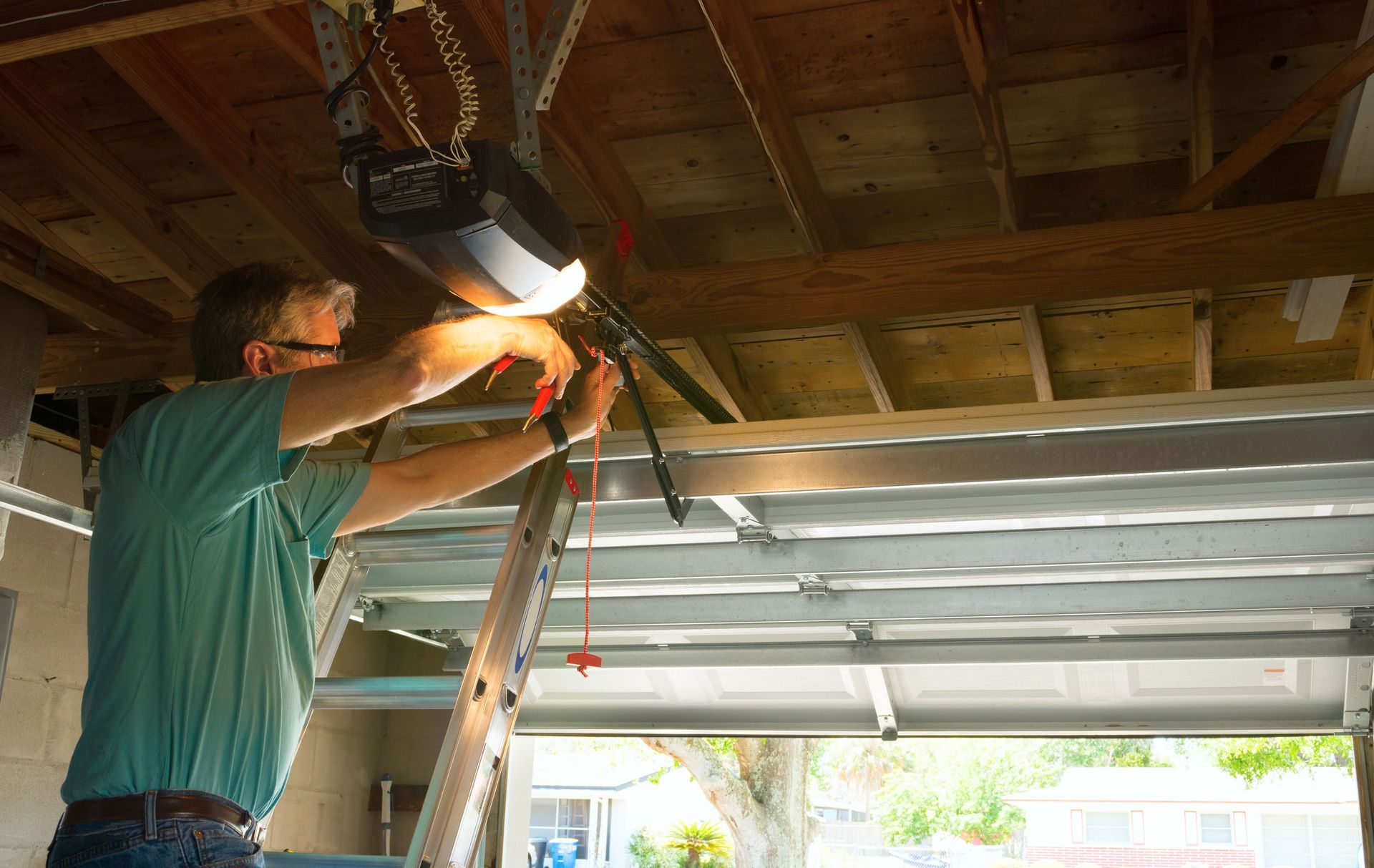
Calling for garage door service is the safest response when the door will not open because of suspected spring failure. Continuing to operate the opener can damage the motor or bend other components. Trying to lift the door without proper assistance can also lead to injury because many residential doors weigh hundreds of pounds. A technician can secure the door, replace the failed spring, and verify that the system moves correctly.
Planning Replacement Before a Complete Failure
Homeowners do not always need to wait until a spring snaps before arranging a replacement. Preventive scheduling can be helpful when the springs are old, heavily used, corroded, or beginning to show performance problems. Planning ahead gives homeowners time to select a convenient appointment and reduces the chance of the door failing when access to the garage is especially important.
When a two-spring system has one failed or severely worn spring, technicians often recommend replacing both springs at the same time. The springs were likely installed together and have completed a similar number of cycles. Replacing only one may leave the older spring close to failure, creating another repair shortly afterward. Installing a matched pair also supports more even lifting and balanced operation.
Choosing the Right Time for Professional Help
The best time to schedule spring replacement is as soon as warning signs become noticeable. A door that jerks, moves unevenly, closes too quickly, produces loud sounds, or feels unusually heavy should be inspected promptly. Homeowners should also arrange immediate help when a spring has a visible gap or the door becomes stuck. Delaying service can increase safety risks and allow other components to become damaged.
Reliable garage door service includes more than simply installing a new spring. A technician should evaluate the door's weight, select the correct spring type and size, inspect the cables and rollers, adjust tension, and test the safety system. This complete approach helps confirm that the replacement works correctly with the rest of the equipment and that the door is ready for dependable everyday use.
Garage door springs can provide years of reliable support, but age, frequent use, corrosion, and repeated tension eventually cause them to wear out. Uneven movement, loud sounds, visible gaps, balance problems, and a door that will not open are all signs that professional attention may be needed. Scheduling garage door service before a complete failure can protect the opener, reduce safety concerns, and prevent an inconvenient loss of access to the garage. For professional spring replacement and dependable assistance, contact Chelmsford Garage Door.